
Anúncios
Tracking blood sugar used to mean notebooks and guesswork. Today, a glucose tracking app turns scattered numbers into clear patterns you can actually act on. 📊
Managing diabetes or prediabetes involves dozens of small decisions every day. What to eat, when to test, how a walk affects your numbers — it adds up fast.
A well-designed app doesn’t replace your doctor, but it gives you the data to have smarter conversations and make better daily choices.
Why Manual Glucose Logs Fall Short#
Paper logbooks seemed fine decades ago, but they have real limits. Handwriting is slow, especially right after a meal when you’re busy eating or at work.
Studies on diabetes self-management consistently show that people who track glucose digitally review their data more often than those using paper. More reviews mean more pattern recognition.
- No automatic trends: paper can’t show you a 7-day average instantly.
- Easy to lose: notebooks get left at home, in cars, or thrown away.
- Hard to share: doctors can’t review months of handwritten notes in a 15-minute appointment.
- No reminders: you rely entirely on memory to test and log.
A **glucose monitoring app** solves each of these problems by digitizing the process and adding automation on top.
Core Features That Actually Matter#
Not every app is built the same way. Some focus only on number storage, while others integrate food, insulin, and activity into one dashboard.
Automatic Trend Charts#
Instead of scrolling through a list of numbers, a good app shows weekly and monthly graphs. You can instantly see if your fasting glucose is trending upward over three weeks, something nearly impossible to spot in a paper log.
Meal and Insulin Logging#
Pairing a glucose reading with what you ate and how much insulin you took (if applicable) creates context. A reading of 180 mg/dL means something different after a birthday cake versus after a salad.
Custom Alerts#
Setting personalized high and low thresholds means the app notifies you before a situation becomes dangerous, not after. This is especially useful overnight, when hypoglycemia often goes unnoticed.
Exportable Reports for Doctors#
Many apps generate PDF or CSV reports summarizing weeks or months of data. Bringing this to an appointment turns a vague “it’s been okay” into a precise conversation backed by numbers.
Comparing Tracking Methods: Paper vs. App vs. Spreadsheet#
| Method | Time per Entry | Pattern Detection | Shareable with Doctor |
|---|---|---|---|
| Paper Logbook | 1-2 minutes | Manual only | Difficult |
| Spreadsheet | 2-3 minutes | Requires formulas | Moderate |
| Glucose Tracking App | 10-20 seconds | Automatic graphs | Easy (export/share) |
The time difference may look small, but multiply it by four or five daily tests and the app saves real minutes — and mental energy — every single day.
How Consistent Tracking Changes Daily Decisions#
People who log glucose regularly tend to notice cause-and-effect relationships faster. Maybe rice spikes your numbers more than pasta. Maybe a 20-minute walk after lunch keeps you in range for hours.
These insights don’t come from a single reading. They come from comparing dozens of entries side by side, which is exactly what a tracking app is built to do.
- 📈 Spotting patterns tied to specific foods
- 🏃 Understanding how exercise timing affects levels
- 😴 Noticing how sleep quality correlates with morning readings
- 💊 Checking if medication timing needs adjustment (with your doctor’s guidance)
None of this replaces medical advice. But it gives you concrete talking points instead of vague impressions when you sit down with your healthcare provider.
Choosing the Right App for Your Routine#
With several options available, the best choice depends on your specific needs. Someone on multiple daily insulin injections has different requirements than someone managing prediabetes through diet alone.
Questions Worth Asking Before Downloading#
- Does it sync with my glucose meter or continuous glucose monitor (CGM)?
- Can I log carbs, insulin, and activity in one place?
- Does it work offline, in case I don’t have signal?
- Is my data encrypted and private?
- Can I export reports in a format my clinic accepts?
Testing an app for two weeks before fully committing is a reasonable approach. You’ll quickly notice whether the interface fits your habits or feels clunky.
Making Tracking a Habit, Not a Chore#
The biggest obstacle isn’t the technology — it’s consistency. An app full of features is useless if you stop opening it after the first week.
Small adjustments make a measurable difference:
- Log readings immediately, not hours later from memory
- Set a daily reminder at the same time each morning
- Review your weekly chart every Sunday, even for two minutes
- Share progress with a family member or support group for accountability
Apps like Glic are designed with this exact friction point in mind, aiming for fast entry and visual feedback that keeps users engaged over months, not just days.

Glic - Diabetes e Glicemia
Installs100K+
Size64.1MB
PlatformAndroid/iOS
PriceFree
Information about size, installs, and rating may change as the app is updated in the official stores.
Privacy and Data Security Concerns#
Health data is sensitive, and glucose numbers tied to a name and timestamp reveal a lot about someone’s medical condition. Before trusting any app, check whether it uses encryption and whether data is shared with third parties.
Reputable apps clearly state their privacy policy and allow you to delete your account and data entirely if you decide to stop using the service. This transparency matters more than flashy design.
What Caregivers and Family Members Gain#
For parents managing a child’s type 1 diabetes, or adult children monitoring an aging parent’s levels, shared access to tracking data brings peace of mind.
Some apps allow a secondary account or shared view, so a caregiver gets alerted if readings go dangerously high or low, even when they’re not physically present.
This feature turns a solitary task into a shared responsibility, reducing anxiety for everyone involved.
Realistic Expectations: What an App Can’t Do#
It’s worth being honest about limitations. A tracking app doesn’t adjust insulin doses automatically (unless integrated with specific pump systems), doesn’t diagnose complications, and isn’t a substitute for regular lab work like HbA1c tests.
Think of it as a magnifying glass for your own patterns — useful, detailed, but still requiring interpretation from you and your medical team.
Combining a solid app with regular checkups, a balanced diet, and physical activity creates a routine that actually supports long-term glucose control, rather than relying on technology alone to do the work.

Keep reading
You might also like
Best Apps to Check Your Joint Problems and Pain
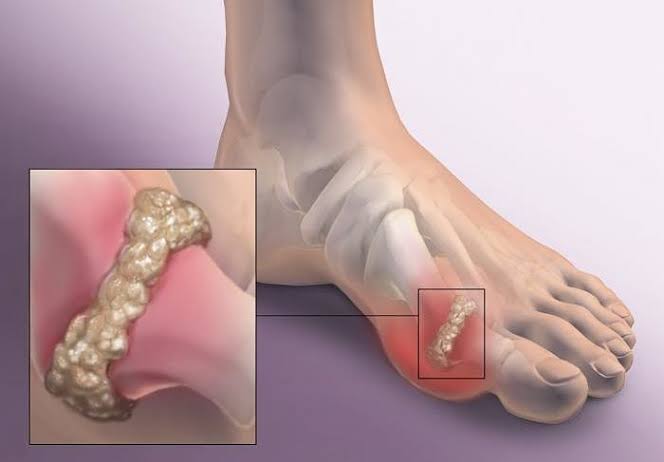
Joint pain can be confusing to track day after day, but a dedicated **joint tracker app** turns scattered symptoms into clear patterns…
Metal Detector App: How to Find Hidden Metals Using Your Smartphone
Turning a smartphone into a working metal detector sounds like science fiction, but it's real technology thousands of people already use daily.…