Anúncios
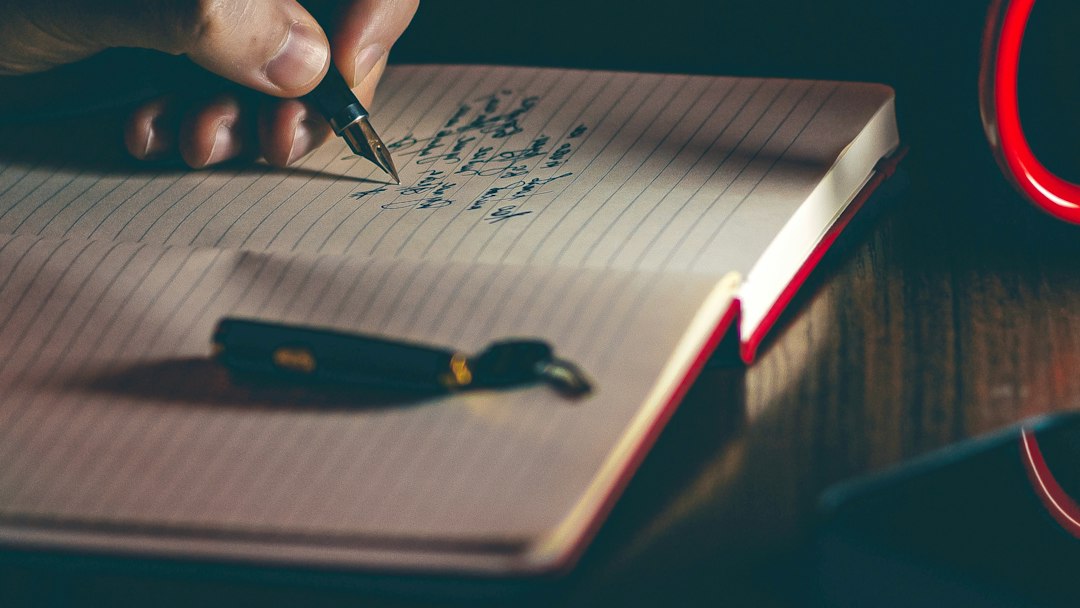
There’s something strange about living in a world where we can video call someone on the other side of the planet in seconds, yet a handwritten love letter still makes people cry. Maybe that’s exactly why love letter apps have become so popular lately. They take that old-fashioned, slow, intentional format and give it a modern home.
Whether you’re trying to surprise a partner, reconnect with someone far away, or simply put feelings into words you’ve been struggling to say out loud, a good love letter app can genuinely change how you communicate. This guide walks through what these apps actually do, which features matter, and how to pick one that fits your relationship style.
Why Love Letter Apps Are Having a Moment#
Text messages get lost in the scroll. A heartfelt paragraph buried between memes and grocery reminders rarely gets the attention it deserves. Love letter apps solve this by creating a dedicated, distraction-free space just for romantic writing.
Many of these platforms also add structure that helps people who freeze up when facing a blank page. Prompts, templates, and writing suggestions turn “I don’t know what to write” into a finished, emotional message in under ten minutes.
There’s also a nostalgia factor. Physical letters feel rare now, almost precious. Apps that mimic that experience — with handwriting fonts, paper textures, or envelope animations — tap into that same emotional weight digitally.
What a Good Love Letter App Actually Offers#
Not all apps in this category work the same way. Some focus purely on writing assistance, others on delivery and presentation, and a few combine both into a full romantic communication toolkit.
Here’s a breakdown of the features that tend to matter most to real users, based on common app store reviews and feature comparisons:
- Writing prompts — guided questions that help structure a letter from greeting to closing
- Customizable templates — anniversary letters, apology letters, long-distance notes, daily affirmations
- Scheduled delivery — send a letter automatically on a specific date, like a birthday or anniversary
- Voice-to-text — for people who express themselves better speaking than typing
- Design customization — fonts, colors, stationery styles, stickers
- Private storage — a personal archive of every letter sent and received
Some apps lean heavily into the “digital stationery” aesthetic, while others feel more like a minimalist notes app with a romantic skin. Knowing what you actually want out of the experience helps narrow the choice quickly.
Writing Help vs. Delivery Tools#
It’s worth separating apps into two rough categories before downloading anything. The first type focuses on helping you write — think AI-assisted phrasing, mood-based suggestions, and prompts for specific occasions.
The second type focuses on how the letter arrives — scheduled notifications, envelope-opening animations, countdown timers before a letter unlocks. Some people want both. Others just want one or the other, and paying for unnecessary features can feel clunky.
Choosing Between Free and Premium Options#
Pricing models vary a lot in this niche. Some apps are completely free with ads, others use a freemium structure where basic letters are free but premium templates or delivery scheduling require a subscription.
Before committing to a paid plan, it helps to test the free tier for at least a week. Write two or three practice letters, check if the interface feels intuitive, and see whether the prompts actually match your writing style.
Love Letters App
Romantic Love Letters
Write Your Letter Now#
Romantic
Easy to Use
Free
Daily Prompts
Start sending heartfelt messages today
Open the App
You will be redirected to another site.
Write Your Letter Now
Open the App
| Feature | Free Tier (Typical) | Premium Tier (Typical) |
|---|---|---|
| Writing prompts | Limited selection | Full library, updated regularly |
| Scheduled delivery | Usually unavailable | Unlimited scheduling |
| Design themes | Basic stationery | Seasonal and custom designs |
| Ads | Present | Removed |
If you’re only planning to write one special letter for an anniversary, the free version is usually enough. Frequent users — couples sending notes weekly or daily — tend to get more value from premium plans.
This kind of app is a solid example of what the category looks like in practice — a simple interface focused on helping couples, especially long-distance ones, exchange romantic notes without needing paper, stamps, or perfect handwriting.
Apps like this usually combine a few core mechanics: prompt-based writing, a delivery system, and a private archive where both partners can revisit old letters whenever they want a little emotional boost.
How to Write a Love Letter That Doesn’t Sound Generic#
Apps provide structure, but the actual words still come from you. A few techniques consistently make love letters feel more personal and less like a greeting card template.
Start With a Specific Memory#
Instead of opening with “I love you so much,” try describing a moment. “I still think about the way you laughed at that terrible joke in the car last Tuesday” immediately feels more real than a general statement.
Avoid Vague Compliments#
“You’re amazing” says very little. “You remembered I hate cilantro and quietly picked it off my plate before I even noticed” says everything. Specificity is what separates a forgettable letter from one someone keeps for years.
Mention the Future, Not Just the Past#
Gratitude for shared history matters, but adding a line about what you’re looking forward to — a trip, a quiet Sunday, growing old together — gives the letter emotional momentum instead of just nostalgia.
A practical structure that works well across most apps and templates looks like this:
- Opening line referencing a specific memory 📝
- Middle paragraph describing what that person means to you now
- Closing paragraph about shared future plans or feelings
- A short, warm sign-off — avoid anything too formal
Long-Distance Couples and the Real Value of These Apps#
For couples separated by distance, love letter apps often matter more than for people who see each other daily. A scheduled letter arriving at 8 AM their time zone, right when they wake up, can genuinely shift someone’s entire day.
Several apps in this space specifically target long-distance relationships with features like time-zone-aware scheduling, shared photo attachments, and “open when” letters — messages labeled for specific moods, like “open when you’re stressed” or “open when you miss me.”
This labeling system, borrowed from the classic paper letter tradition, translates surprisingly well into app form. It gives structure to emotional support without requiring perfect timing from the sender.
Privacy Considerations Worth Checking#
Since these apps store deeply personal content, it’s worth checking a few things before trusting one with your letters:
- Does the app store letters locally or on a cloud server?
- Is there a passcode or biometric lock for the app itself?
- Can letters be permanently deleted, or do they stay in some backup?
- Does the privacy policy mention data sharing with third parties?
Most reputable apps in this category are transparent about data handling, but it’s a five-minute check that saves potential headaches later, especially if the relationship involves sensitive or very personal content.
Beyond Romantic Partners: Other Uses People Don’t Expect#
While marketed toward couples, a lot of people use love letter apps for other relationships too. Parents write letters to children to open on future birthdays. Friends use them for long-distance friendships. Some people even write letters to themselves as a form of journaling and emotional reflection.
This flexibility is part of why the category keeps growing. The core mechanic — structured, meaningful writing with optional scheduled delivery — applies to almost any relationship that benefits from intentional communication.
A few less obvious use cases worth mentioning:
- Grief processing — writing unsent letters to someone who passed away
- Self-reflection — letters to your future self, opened a year later
- Friendship maintenance — scheduled check-in letters for friends who moved away
- Family traditions — grandparents writing letters for milestone birthdays decades ahead
Tips for Making the Habit Stick#
The biggest challenge with any letter-writing app isn’t the first letter — it’s the fifth one, written three months later when the initial excitement has faded. A few habits help keep the practice alive.
Setting a recurring reminder, even just monthly, prevents the app from becoming another downloaded-and-forgotten icon. Pairing letter writing with an existing ritual — Sunday mornings, the first of the month, after a weekly date night — also makes it easier to remember without feeling like a chore.
Some couples turn it into a small game: alternating who writes first, or responding to each other’s letters within the app instead of saying thank you out loud. That back-and-forth rhythm often does more for a relationship than a single grand romantic gesture.
Ultimately, the technology is just a vehicle. The app formats the page, sends the notification, and stores the archive — but the honesty in the words is still entirely up to the person writing them. That’s probably why, even in an age of instant messaging, a well-written letter still lands differently than any text ever could. 💌

Keep reading
You might also like
Open Relationships: Married Couples Seeking Partners Together
Open marriages are becoming a topic couples discuss openly, especially when they start inviting other people into their dynamic as a unit…
How to Build Emergency Kits for Power Outage Survival
When the power grid fails, having a well-organized emergency kit makes the difference between chaos and calm. Here's how to build yours.…