
Anúncios
Tracking what you eat shouldn’t feel like a chore. A good calorie-tracking app turns daily food decisions into clear, manageable data. 🍎
Most people who try to lose or maintain weight underestimate how much they actually eat. Studies on self-reported intake consistently show gaps of 20% or more between what people think they consume and what they really do.
That’s exactly where a calorie tracking app earns its place on your phone. It replaces guesswork with real numbers, logged meal by meal, snack by snack.
Why Manual Calorie Counting Rarely Works Long-Term#
Writing down every meal in a notebook sounds simple until day three. Most people abandon manual tracking within two weeks because it’s slow and easy to forget.
A dedicated app removes friction. You search a food, tap it, and the calorie count appears instantly — no math, no guessing portion sizes from memory.
- Speed: logging a meal takes under 30 seconds in most apps.
- Accuracy: databases include thousands of verified food entries with precise macros.
- Consistency: daily reminders keep tracking from slipping after a busy week.


Core Features That Separate a Good App From a Great One#
Not every calorie app offers the same value. Some focus purely on calorie counts, while others track macronutrients, water intake, and exercise together.
Food Recognition and Barcode Scanning#
The best tools let you scan a barcode or even snap a photo of your plate. AI-powered recognition estimates calories from the image, cutting logging time dramatically.
This matters most for people eating out often, where exact recipes and portions aren’t labeled on a menu.
Macro and Micronutrient Breakdown#
Calories alone don’t tell the full story. An app that splits intake into protein, carbs, and fat gives a much clearer picture of diet quality.
| Feature | Basic Apps | Advanced Apps |
|---|---|---|
| Calorie counting | Yes | Yes |
| Macro tracking | Limited | Detailed |
| Photo recognition | No | Yes |
| Custom meal plans | No | Yes |
| Progress analytics | Basic charts | Trend reports |
Setting Realistic Calorie Goals Based on Your Body#
A calorie app is only as useful as the targets you set inside it. Most tools calculate your Basal Metabolic Rate (BMR) using age, weight, height, and activity level.
From there, the app suggests a daily calorie target — often adjusted by 300 to 500 calories below maintenance for gradual, sustainable weight loss.
- Sedentary lifestyle: multiply BMR by 1.2 for daily maintenance calories.
- Moderate activity: multiply by 1.55 for three to five workouts weekly.
- High activity: multiply by 1.725 for daily intense training.
Aggressive deficits beyond 1,000 calories per day often backfire, triggering fatigue and muscle loss instead of fat loss.
How Daily Logging Changes Eating Behavior#
Something shifts psychologically once you start logging food consistently. People tend to make better choices simply because they know the meal will be recorded.
Researchers call this the observer effect — behavior changes when it’s being measured, even without external pressure.
Spotting Hidden Calorie Traps#
Sauces, dressings, and cooking oils are the biggest blind spots. A tablespoon of olive oil adds roughly 120 calories, something easy to overlook without tracking.
Drinks are another common trap. A daily latte with sugar can add 200 extra calories that never get counted mentally.
Building Sustainable Habits Instead of Restriction#
Apps that show weekly trends instead of just daily numbers help users see the bigger picture. One heavy day doesn’t ruin progress if the week’s average stays on target.
This approach reduces the all-or-nothing mentality that causes many diets to collapse after a single indulgent meal.
Choosing Between Free and Premium Calorie Apps#
Free versions usually cover basic logging and a limited food database. Premium tiers unlock barcode scanning, personalized meal plans, and deeper analytics.
For someone just starting out, a free plan is often enough to build the habit. Once tracking becomes routine, premium features save time and add precision.

BitePal: AI Calorie Counter
Installs5M+
Size174.4MB
PlatformAndroid/iOS
PriceFree
Information about size, installs, and rating may change as the app is updated in the official stores.
Apps like BitePal combine AI-based food recognition with a clean interface designed for daily use, which makes the habit easier to maintain over months rather than weeks.
Common Mistakes People Make When Tracking Calories#
Even with the right app, logging mistakes can distort results. These errors are more common than most people realize.
- Eyeballing portions: using a kitchen scale for the first few weeks improves accuracy significantly.
- Skipping weekends: two days of untracked eating can erase a week of deficit.
- Ignoring liquid calories: alcohol and juices often go unlogged but add up fast.
- Logging after eating: memory fades fast — log before or right after each meal.
Using Data Trends to Adjust Your Nutrition Plan#
The real value of a calorie app shows up after a few weeks of consistent use. Weekly averages reveal patterns that a single day never could.
If weight loss stalls for more than two weeks despite a calorie deficit, it usually means the target needs recalculating — metabolism adapts as body weight drops.
Reading Weekly Averages Instead of Daily Numbers#
A single high-calorie day isn’t a failure if the weekly trend still points downward. Apps that visualize this trend reduce unnecessary stress around food choices.
This shift in perspective, from daily perfection to weekly consistency, is often what makes tracking sustainable for months instead of days.
Adjusting Protein Intake for Better Results#
Many trackers highlight protein as a separate goal, often recommending between 0.7 and 1 gram per pound of body weight for people combining diet with strength training.
Higher protein intake supports muscle retention during a calorie deficit, something that plain calorie counting alone won’t reveal.
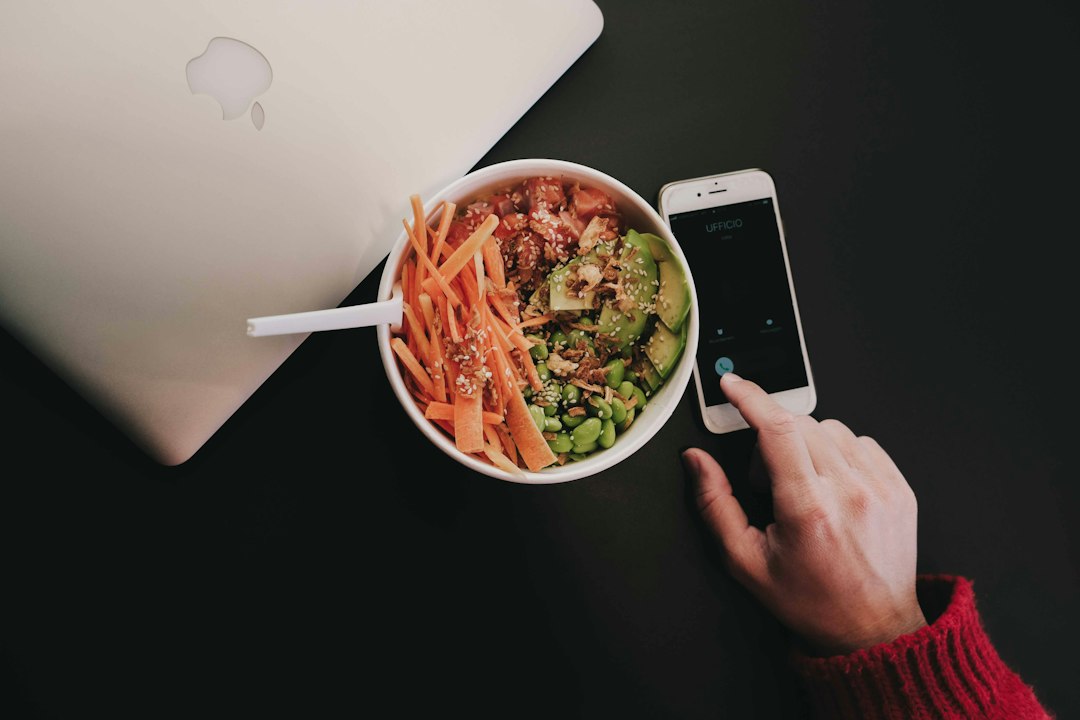
Making Calorie Tracking Part of a Normal Routine#
The apps that actually get used long-term are the ones that fit into existing habits rather than demanding a whole new routine. Logging breakfast while coffee brews or scanning a barcode while unpacking groceries works better than scheduling tracking as a separate task.
Small, repeated actions build the habit faster than occasional intense tracking sessions. Within a month, most users report that logging feels automatic rather than tedious.
Calorie counting apps won’t do the work for you, but they remove the guesswork that derails most diets before they start. With consistent use, clear goals, and realistic expectations, tracking becomes less about restriction and more about understanding your own patterns — one meal at a time. 📊

Keep reading
You might also like

Best Dating App for Single Women to Meet Men Safely
Meeting new people as a single woman today means balancing curiosity with caution, especially when it comes to online dating and first…

Bumble For Friends: Easy Women’s Friendship App Without Complicated Registration
Meeting new friends as an adult feels harder than it should — especially for women seeking genuine connections without the pressure of…