
Anúncios
Brazilian amateur cinema thrives outside big studios, fueled by passion, smartphones, and creative hustle. These homemade productions reveal raw storytelling talent across the country. 🎬
Long before streaming platforms opened doors for independent creators, Brazilian amateur filmmakers were already experimenting with cameras borrowed from relatives and scripts written on notebook paper. This grassroots movement built the foundation for a thriving indie scene.
Today, amateur movies from Brazil reach audiences on YouTube, film festivals, and even international platforms. The accessibility of digital tools has transformed hobbyists into recognized storytellers.
Why Amateur Filmmaking Exploded in Brazil#
Brazil’s amateur film movement didn’t happen by accident. Several factors converged to create the perfect environment for homegrown cinema.
Smartphones with decent cameras became affordable around 2012. Editing software like **DaVinci Resolve** and **CapCut** turned free or low-cost. Suddenly, anyone with a story and a weekend could produce something watchable.
- Low production costs: Many short films are made for under R$500
- YouTube accessibility: Free distribution without gatekeepers
- Film school alternatives: Online tutorials replaced expensive courses
- Community support: Local filmmaker groups on Facebook and Discord
Cities like São Paulo, Rio de Janeiro, and Belo Horizonte developed informal filmmaker collectives. These groups share equipment, swap acting favors, and critique each other’s work constructively.


The Role of Social Media in Amateur Film Growth#
Instagram Reels and TikTok changed the game entirely. Short-form content taught young creators about pacing, hooks, and visual storytelling—skills that translate directly into longer narrative projects.
Many successful amateur directors started posting 60-second skits before attempting their first 15-minute short film. This progression builds confidence and technical competence gradually.
Standout Examples of Brazilian Amateur Productions#
Several amateur projects gained unexpected traction, proving that budget doesn’t determine quality or audience engagement.
| Film Title | Genre | Production Budget | YouTube Views |
|---|---|---|---|
| Terra Seca | Drama | R$800 | 320,000+ |
| Noite de Guerra | Thriller | R$1,200 | 540,000+ |
| Vizinhos | Comedy | R$300 | 890,000+ |
These numbers show something important: audiences respond to genuine storytelling over polished production values. A compelling script shot on an iPhone can outperform mediocre content with professional equipment.
Regional Flavors in Amateur Storytelling#
Brazilian amateur films often lean heavily into regional culture. Northeastern filmmakers explore drought narratives and family dynamics. Southern creators tackle immigration themes tied to European heritage. Carioca directors frequently use Rio’s favelas as backdrop for social commentary.
This regional diversity gives Brazilian amateur cinema a distinctive voice compared to homogenized mainstream content.
Common Challenges Amateur Filmmakers Face#
Making movies without institutional backing comes with real obstacles. Understanding these challenges helps aspiring filmmakers prepare better.
- Audio quality: Background noise ruins otherwise great footage
- Lighting inconsistency: Natural light changes mid-shoot
- Actor availability: Volunteers often have day jobs and limited schedules
- Legal clearances: Music rights and location permissions get overlooked
- Distribution confusion: Many creators don’t know where to submit finished work
Sound design remains the biggest technical hurdle. Many amateur productions look decent but suffer from poor audio mixing, which immediately signals low-budget origins to viewers.
Practical Solutions That Actually Work#
Experienced amateur directors recommend specific fixes for these common problems:
- Use lavalier microphones instead of built-in phone mics—even cheap ones cost under R$50
- Shoot during “golden hour” (early morning or late afternoon) for consistent natural lighting
- Record scenes multiple times to account for actor scheduling conflicts
- Use royalty-free music platforms like **Epidemic Sound** or **Artlist**
- Submit to festivals like **Festival de Cinema de Gramado** or online platforms like **Vimeo Staff Picks**
These small adjustments separate forgettable projects from memorable ones that gain real traction online.
Where to Watch Brazilian Amateur Films#
Finding quality amateur Brazilian cinema requires knowing the right channels and platforms.
YouTube remains the primary discovery tool. Search terms like “curta-metragem brasileiro” or “filme amador nacional” surface thousands of options. Many creators also upload full-length features broken into chapters.
Streaming apps increasingly feature indie content sections too. Some platforms curate Brazilian independent cinema alongside bigger releases, giving amateur work unexpected visibility.

Pluto TV: Watch Free Movies/TV
Installs100M+
Size2GB
PlatformAndroid/iOS
PriceFree
Information about size, installs, and rating may change as the app is updated in the official stores.
Festival Circuits Supporting New Talent#
Beyond digital platforms, physical festivals still matter enormously. **Festival Guarnicê de Cinema** in Maranhão, **Mostra de Cinema de Tiradentes** in Minas Gerais, and **Cine PE** in Pernambuco actively showcase amateur and low-budget work.
Winning even a small regional festival award often opens doors to grants, equipment sponsorships, or invitations to bigger showcases.
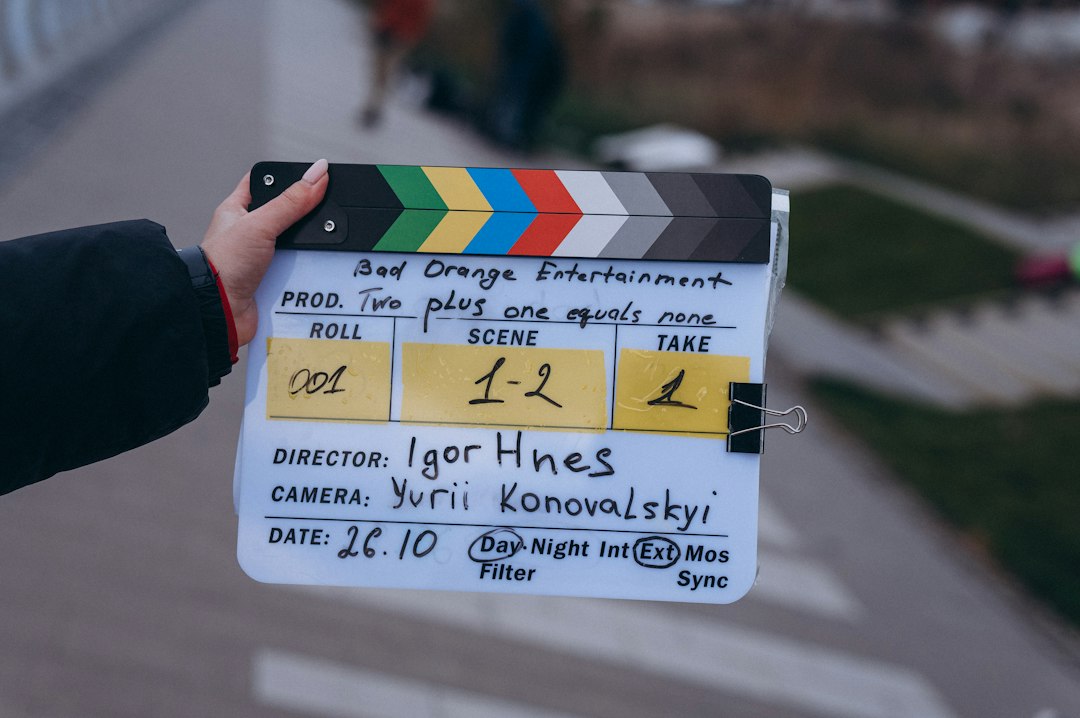
Breaking Into Amateur Filmmaking Yourself#
Starting your own project doesn’t require massive investment or formal training. Here’s a realistic roadmap based on what successful amateur directors actually did.
Step one: Write a script under 10 minutes. Shorter projects are easier to finish and distribute.
Step two: Recruit two or three friends willing to act or help with production. Avoid large casts for your first project.
Step three: Shoot using whatever smartphone you own. Focus on stable footage over fancy angles.
Step four: Edit using free software. Trim ruthlessly—most amateur films run too long because creators resist cutting footage they worked hard to capture.
Step five: Upload to YouTube with proper tags and a compelling thumbnail. Share within local filmmaker communities for honest feedback.
This process typically takes two to four weekends for a five-minute short, depending on availability and complexity.
Building Skills Through Repetition#
No amateur filmmaker nails their craft on the first attempt. Directors who eventually produce standout work usually complete five to ten smaller projects before creating something that gains real attention.
Each project teaches specific lessons—maybe better framing, tighter dialogue, or smarter editing transitions. Treating early films as learning exercises rather than masterpieces reduces pressure and improves long-term growth.
Brazilian amateur cinema proves that storytelling talent doesn’t require Hollywood budgets or film school diplomas. With creativity, persistence, and a willingness to learn from mistakes, anyone holding a smartphone can contribute to this growing cultural movement. 🎥

Keep reading
You might also like

Best Dating App for Single Women to Meet Men Safely
Meeting new people as a single woman today means balancing curiosity with caution, especially when it comes to online dating and first…

Bumble For Friends: Easy Women’s Friendship App Without Complicated Registration
Meeting new friends as an adult feels harder than it should — especially for women seeking genuine connections without the pressure of…